Mother Holding Child s Hand Review
As an experienced embroidery designer who spends hours refining stitch patterns and testing file compatibility, I am always looking for designs that offer both emotional resonance and technical reliability. Recently, I came across the Mother Holding Child s Hand design on Creative Fabrica. It immediately caught my eye not just for its sentimental value, but for the promise of a clean execution using the art line technique. Before committing this design to a commercial order or a custom piece for a boutique client, I wanted to evaluate how it performs in real-world scenarios.
First Impressions: Mood and Design Personality
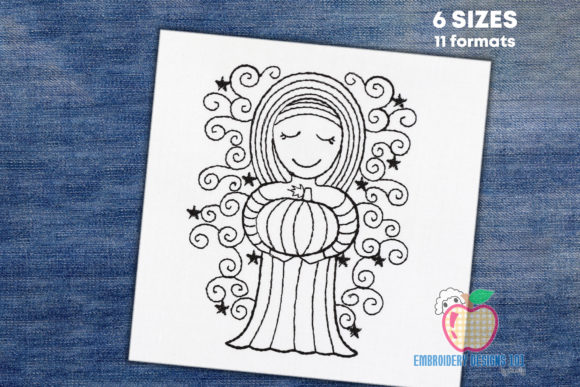
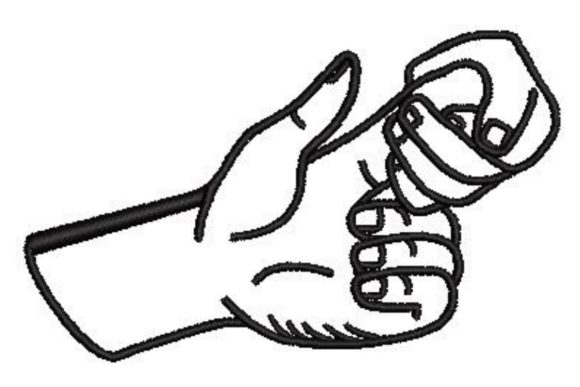
The visual mood of Mother Holding Child s Hand is undeniably warm and comforting. In a market saturated with generic icons, this design stands out because it focuses on connection. The description highlights the "art line technique," which suggests a reliance on outline stitches rather than heavy fill areas. This is a crucial detail for any designer considering this for machine embroidery design projects.
When you look at the preview, the design feels airy and delicate. It does not scream for attention; instead, it whispers a story of love and protection. For those creating items for the Nursery category, such as baby blankets or wall hangings, this aesthetic fits perfectly. The simplicity of the lines means the design will likely scale well, making it versatile enough for small applications like cap patches or larger statements on tote bags. However, the very feature that makes it beautiful—the open lines—requires careful consideration regarding thread density and fabric choice.
Performance in Real Embroidery Projects
I evaluated this embroidery file with several specific use cases in mind, ranging from personal gifts to potential Etsy listings. The primary strength of Mother Holding Child s Hand lies in its suitability for applique work. The prompt mentions it is a "sensible applique," which implies that the outer edges are designed to be cut from fabric and stitched down, adding texture and dimension that standard satin stitches cannot achieve.
- Custom Apparel: When placed on a sweatshirt or a high-quality t-shirt, the art line style offers a modern, graphic look. It avoids the stiffness often associated with dense fill stitches, allowing the garment to remain soft against the skin.
- Tote Bag Design: A canvas tote bag benefits immensely from applique techniques. The added layer of fabric can withstand the friction of daily use better than simple thread alone.
- Kitchen Towels and Aprons: These items are often washed frequently. A design with less stitch density, like this one, is less prone to puckering after multiple wash cycles compared to a heavily filled block of text or imagery.
- Embroidered Patch: If you intend to create a sew-on patch, the clear outlines make trimming and finishing the edges straightforward. The design has enough definition to hold its shape even when applied to curved surfaces.
For commercial embroidery, the versatility here is key. Whether you are producing a collection of handmade gifts or creating digital assets for print-on-demand mockups, this design serves as a strong foundational element. It pairs beautifully with other elements, such as small floral motifs or handwritten-style text, to create a cohesive brand identity for your shop.
Practical Considerations and Technical Challenges
While the design is appealing, every professional knows that the devil is in the details. Using Mother Holding Child s Hand requires specific attention to the following practical aspects to ensure a flawless finished product.
Hoop Size and Detail Integrity
Because this design relies on lines and potentially small connecting threads, the hoop size is critical. If you attempt to stitch this in a hoop that is too large relative to the design, the tension may vary, causing the lines to wobble. Conversely, if the design is too small for the intended application, the fine details might get lost. Always verify the recommended hoop size before starting. For tiny lettering or intricate hand connections, a smaller hoop ensures maximum stability.
Fabric and Stabilizer Selection
The success of an applique design hinges on the stabilizer used. For stretchy fabrics like jersey (common in sweatshirts), a cut-away stabilizer is usually necessary to prevent distortion over time. On woven fabrics like kitchen towels or pillow covers, a tear-away might suffice, but given the delicate nature of the lines, a light cut-away provides extra insurance against puckering.
Thread Color Contrast
Art line techniques depend heavily on visibility. If you choose thread colors that blend too closely with the fabric, the design will disappear. I recommend testing various thread colors against your chosen material. Dark fabrics often require bright or metallic threads to make the lines pop, while light fabrics allow for subtle tonal stitching. Always check the contrast under natural lighting conditions, as artificial light can sometimes mask poor color choices.
Dense Stitch Areas and Texture
Although this design is described as having an easy-to-embroider art line technique, you must inspect the digitizing for any dense stitch areas. If the hands or fingers contain clusters of running stitches that are too close together, they may cause the fabric to pucker. It is also important to note that if the design includes satin stitches for outlining, ensure the angle of the stitches is consistent to avoid thread breaks.
Impact on Product Value and Brand Trust
In the world of handmade goods and digital product sellers, presentation is everything. A design like Mother Holding Child s Hand elevates the perceived value of a project. When a customer sees a tender moment captured in thread, they are more likely to trust the quality of the entire item. This emotional connection translates directly to higher engagement on social media and better reviews on platforms like Etsy.
For handmade shop owners, consistency is vital. Using a design with clean lines and professional digitizing ensures that your brand looks polished. A poorly executed design with loose threads or uneven spacing can undermine customer confidence, whereas a crisp embroidered patch or a neatly stitched tote bag design reinforces your reputation as a reliable creator.
Furthermore, this design is highly giftable. Its universal theme of maternal love makes it suitable for baby showers, Mother's Day, or new parent gifts. When photographing your finished product for a printable mockup or online listing, the soft lines of this design capture light beautifully, resulting in high-quality images that attract buyers.
Final Verdict and Preparation Steps
Before downloading and using Mother Holding Child s Hand, there are a few non-negotiable steps to take. First, review the product details on Creative Fabrica to confirm the exact file formats included. Ensure your machine is compatible with the file type. Second, check the licensing terms carefully, especially if you plan to sell the finished items commercially.
I strongly advise performing a test run on scrap fabric. This allows you to assess the stitch density, check for any registration issues, and determine the ideal thread count. Inspect the small details after stitching to ensure the hands and fingers are distinct and not merging together. Finally, compare light and dark fabric mockups to see which background best suits your target audience.
If you are looking for a design that balances artistic expression with technical feasibility, Mother Holding Child s Hand is a strong candidate. It brings a sense of peace and love to your work without demanding excessive resources or complex setup. By taking the time to prepare properly, you can turn this digital asset into a cherished physical keepsake or a profitable addition to your product line.