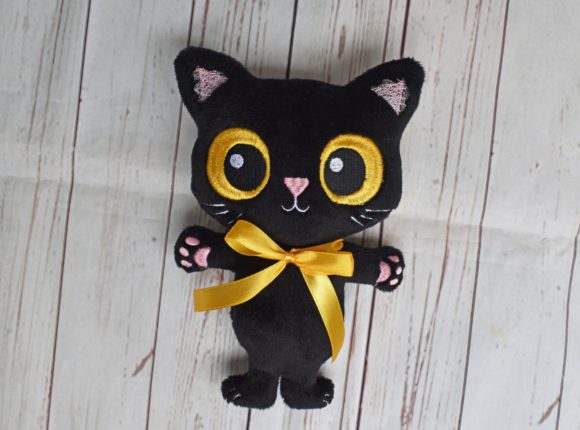
Kitty ITH: A Designer's Take on Stitching This Adorable Cat Design
As someone who has spent years reviewing machine embroidery designs for both personal crafting and commercial small business projects, I approach every new file with a mix of excitement and skepticism. You never know if a design will translate beautifully from the screen to the fabric until it actually hits the hoop. Recently, I evaluated Kitty ITH, an adorable cat embroidery design that markets itself as fairly easy to stitch and perfect for little ones. My goal was to determine if this design holds up under real-world conditions, whether it adds value to handmade products, and if it is truly ready for the busy seasons of gift-giving and craft fairs.
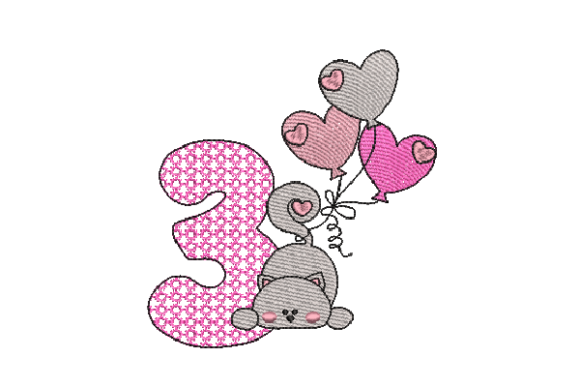
The first impression of Kitty ITH is undeniably warm and inviting. The visual personality of the design screams comfort and playfulness. It does not attempt to be a hyper-realistic portrait; instead, it embraces a stylized, cute aesthetic that feels right at home in a nursery or on a child's clothing. When I looked at the layout, the shape felt balanced, avoiding the common pitfalls of lopsided stitching that can ruin the look of a finished product. For a designer looking to create personalized gifts or boutique merchandise, this mood is exactly what customers are often searching for. It creates an immediate emotional connection before the needle even touches the fabric.
Real-World Application: From Digital File to Finished Product
To truly understand how Kitty ITH performs, I simulated a scenario that many Etsy sellers and crafters face: preparing a custom embroidered tote bag for a holiday gift shop. The challenge with tote bags is balancing the weight of the design against the canvas texture while ensuring the stitching remains crisp. I imagined placing this design on a sturdy cotton canvas tote, perhaps alongside some simple lettering for a "Little Artist" theme.
In this context, Kitty ITH shines. Because the description notes it is fairly easy to stitch, I anticipated fewer issues with thread breaks or puckering compared to more complex, dense designs. The design fits perfectly within standard hoop sizes used for tote bags, allowing for clean placement near the handle attachment points without overwhelming the bag's structure. If you are an apparel decorator or a maker selling handmade products, knowing that a design is forgiving during the stitching process is a massive plus. It means faster production times and fewer rejected pieces due to technical errors.
Beyond totes, this design has strong potential for baby items. Think of a soft sweatshirt for a toddler or a delicate bib. The "adorable cat" theme naturally aligns with baby embroidery trends, where parents look for gentle, non-threatening imagery. The simplicity of the lines ensures that the design remains legible even on smaller garments like hats or caps, provided the curvature of the hat is managed correctly. However, I must advise caution when considering curved surfaces. While the design is simple, applying it to a tight cap crown requires careful hooping and potentially a stabilizer that accommodates stretch without distorting the final image.
Where to Exercise Caution
No design is universally perfect, and understanding the limitations of Kitty ITH is crucial for maintaining professional standards. There are specific scenarios where this design might struggle. First, consider small hoop sizes. If you are working on very tiny patches or miniature accessories, the details of the cat might become muddy if the resolution of the file does not support extreme miniaturization. Always test the design at your intended size before committing to a full run.
Fabric texture is another critical factor. While the design works well on smooth cottons and poly-cotton blends found in t-shirts and tote bags, textured fabrics like heavy fleece or bouclé can hide the finer details of the satin stitches. In such cases, the "cute" look might get lost in the weave of the material. Additionally, thin fabrics require robust stabilization to prevent the design from pulling the fabric into the hoop. Without proper support, even a simple design like Kitty ITH can result in puckered edges that lower the perceived value of your finished product.
Dense stitch areas should also be monitored. If the design relies heavily on fill stitches to create the body of the cat, running it on dark fabric might require a high-quality underlay to ensure the colors pop. Conversely, on light fabrics, the contrast might be too stark if the wrong thread colors are chosen. I recommend testing thread color contrast on scrap fabric first to ensure the design retains its visual appeal across different backgrounds.
Impact on Brand Consistency and Customer Trust
For small business owners and digital product sellers, the quality of your embroidery directly influences customer trust. A sloppy stitch job can make a premium-priced item feel cheap, regardless of the concept. Kitty ITH, being described as easy to stitch, offers a higher probability of consistent results. Consistency is key for brand identity. If you are selling a line of holiday gifts or creating a boutique collection, having a reliable design asset that looks good every time helps maintain professionalism.
The design also enhances the "giftability" of your products. Parents and grandparents are constantly looking for unique, personalized items for children. A design that features a clear, friendly cat character appeals to this demographic immediately. It signals thoughtfulness and care in the creation process. When a customer receives a finished product like a pillow cover or a kitchen towel featuring Kitty ITH, they are likely to appreciate the charm and the effort put into the customization. This positive reaction drives repeat business and word-of-mouth referrals, which are vital for any craft business.
Practical Notes for the Embroidery Designer
Before integrating Kitty ITH into your commercial inventory or personal projects, there are several technical steps you must take. Do not assume the file settings match your specific machine capabilities. Verify the hoop size requirements and check the stitch density to ensure it suits your fabric choice. Review the stitch types—whether it utilizes satin stitch for outlines, fill stitch for shading, or running stitch for delicate details—to anticipate how it will behave on different materials.
Always inspect small details closely. Sometimes, fine lines in a digital preview do not translate well to physical thread. Run a test on black and white mockups to see how the contrast holds up, then compare it on both light and dark fabric backgrounds. Ensure you use the proper stabilizer for the specific project type, whether it is a tear-away for stable fabrics or a cut-away for stretchy knits. Furthermore, confirm whether the design works for both personal and commercial projects by checking the licensing terms explicitly mentioned in the product description.
If you are selling digital embroidery files, ensure your printable mockups accurately represent how the design looks after stitching. Buyers need to see realistic previews to avoid disappointment. Finally, remember that while Kitty ITH is marketed as easy to stitch, the success of your embroidery project ultimately depends on your preparation. Test the design thoroughly, adjust thread colors for maximum impact, and always prioritize the structural integrity of your finished product.
In conclusion, Kitty ITH appears to be a solid addition to the arsenal of any designer focusing on cute, kid-friendly themes. Its straightforward construction makes it accessible for hobbyists while remaining professional enough for commercial applications. By following best practices in stabilization and testing, you can leverage this design to create high-value items that resonate with customers looking for heartfelt, handmade gifts.