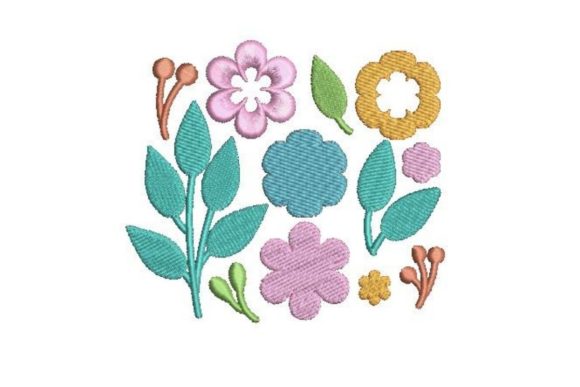
Floral Paper Embroidery Design Review
As an experienced embroidery designer with years of experience crafting designs for craft fairs and handmade markets, I’ve tested countless machine embroidery designs. Floral Paper stands out as a versatile option that can elevate a wide range of products. This design promises to add a flourishing touch to any fabric, and after evaluating its performance on various items, I’m ready to share my insights.
First Impressions of Floral Paper
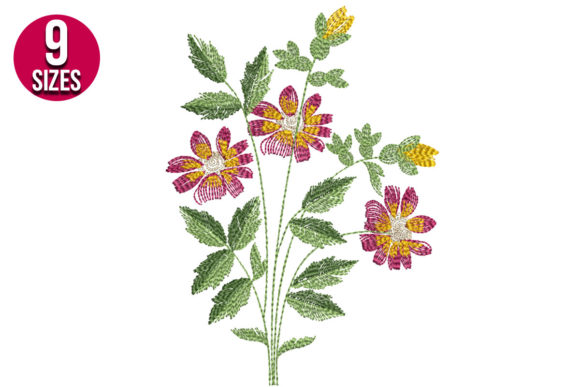
The name Floral Paper immediately suggests something delicate yet elegant. The description hints at a stylish, personalized look, and the imagery evokes a sense of softness and refinement. When I first viewed the design, it felt like a beautiful blend of classic floral motifs with a modern twist. It’s not overly bold or playful but instead offers a subtle sophistication that appeals to a broad audience.
This makes it ideal for customers who appreciate handmade quality without wanting to be too flashy. Whether it's a farmhouse aesthetic or a more contemporary look, Floral Paper seems to fit well into both categories.
Performance on Various Craft Fair Products
Floral Paper shines when applied to products such as tote bags, aprons, tea towels, and pillow covers. On a tote bag, the design adds a charming accent that draws attention without overwhelming the fabric. The same goes for aprons—placing Floral Paper near the waistband or pockets gives a stylish upgrade to a functional item.
On kitchen towels, the soft lines of the design complement the texture of the fabric, making it feel like a natural addition. For patches, the detail is just right—not too intricate to lose clarity when stitched onto smaller surfaces. Caps and small pouches benefit from the design’s ability to work in smaller areas while still maintaining visual appeal.
When used on market bags or handmade gifts, Floral Paper elevates the product’s perceived value. As an Etsy seller or boutique maker, this could be a great way to differentiate your items from mass-produced alternatives.
Practical Selling and Production Considerations
One of the most important factors for a craft fair product is how easy it is to understand at a glance. Floral Paper does this well—its clean lines and recognizable motif make it instantly appealing. It works well as both a small accent and a larger focal design, depending on placement and scale.
Photographing the design for online listings is another key point. The soft, flowing elements of Floral Paper photograph beautifully, especially against light-colored fabrics. This makes it a strong candidate for printable mockups and digital embroidery file showcases.
For batch production, the design feels repeatable. However, care should be taken with stitch density and fabric choice to maintain quality. If you’re producing multiple items, testing the design on scrap fabric first is essential to ensure consistency.
Careful-Use Notes for Embroidery Designers
While Floral Paper is generally user-friendly, there are some considerations for optimal results. Dense stitch areas may require additional stabilizer, especially on textured towels or thick fabrics. Tiny details within the design might be lost on dark fabrics or if the thread colors don’t contrast enough.
Curved cap surfaces and small patches need careful hoop size selection to prevent distortion. Also, checking the spacing between elements ensures that the design doesn’t appear cluttered when scaled down.
It’s always wise to create at least one real mockup before committing to large batches. Comparing fabric colors and confirming commercial licensing (if applicable) are also crucial steps for any digital embroidery file being sold as a finished product.
Visual Appeal and Customer Engagement
The visual appeal of Floral Paper is one of its strongest selling points. It adds a touch of elegance to almost any product, making it a go-to choice for handmade shop owners and small shop products. Customers tend to notice embroidered details, especially when they’re unique and well-executed.
At a craft fair booth, this design can serve as a conversation starter. Its refined look helps establish brand consistency and reinforces the idea of high-quality, personalized items. For Etsy sellers, using Floral Paper on product listings can increase buyer engagement and improve overall sales performance.
Embroidery Designer Tips for Using Floral Paper
If you're planning to use Floral Paper in your next project, here are a few tips:
- Test the design on scrap fabric first to see how it looks and feels in person.
- Check thread contrast to ensure the design stands out on different fabric colors.
- Review spacing and adjust as needed for the specific fabric texture.
- Confirm hoop size and stitch density for accurate reproduction.
- Use the right stabilizer to prevent puckering or distortion.
- Create a real mockup to evaluate how the final product will look and feel.
- Compare fabric colors to ensure the design complements the background.
- Confirm commercial licensing before selling finished products made from this machine embroidery design.
Floral Paper has the potential to become a staple in your embroidery collection. Whether you're preparing for a weekend craft fair or building an online store, this design offers versatility, style, and practicality that can enhance your handmade products and attract new customers. With the right preparation and attention to detail, it can help you stand out in a competitive market and deliver a premium experience to your buyers.