Fairy Door: A Designer's Honest Review
As a professional embroidery designer who spends hours daily digitizing and testing files, I approach every new download with a mix of excitement and skepticism. When I first encountered the Fairy Door design on Creative Fabrica, my immediate thought was not about the whimsical imagery, but rather how this piece would perform in a real-world commercial setting. Would it translate well to a high-end tote bag? Could it hold up on a child's sweatshirt after multiple washes? And most importantly, does it offer enough detail to justify a premium price point for an Etsy listing or craft fair product?
This review is based on a practical evaluation of the design for actual handmade projects. Whether you are a small business owner looking to expand your inventory or a crafter wanting to create a magical personalized gift, understanding the nuances of the Fairy Door machine embroidery design is crucial before you start stitching.
First Impressions and Visual Mood
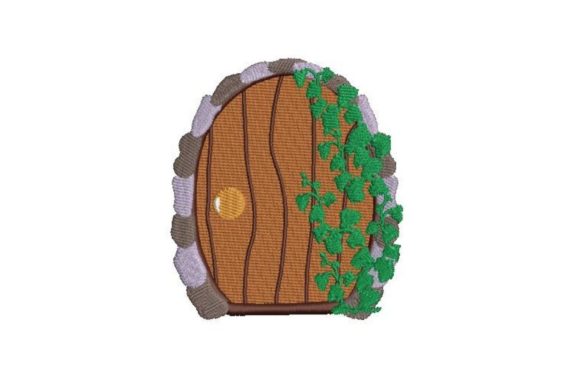
The moment I opened the file, the visual appeal of the Fairy Door design stood out. It captures the essence of the Fairy Tales category perfectly without feeling cluttered. The aesthetic is delicate yet distinct, relying heavily on fine lines and intricate details that promise a high-quality finished product. For designers, the "stitch personality" here is key; it feels soft and inviting, which naturally fits nursery decor, baby blankets, and children's apparel.
The design leverages a variety of stitch types to create depth. You can anticipate seeing a combination of satin stitches for the door frame and running stitches for the tiny decorative elements like vines or flowers. This mix suggests that the design will have texture and dimension when embroidered, moving beyond a flat graphic look. However, this complexity also demands attention during the digitizing phase. The visual mood is undeniably magical, making it a strong candidate for seasonal handmade gifts, particularly around holidays or special occasions where parents want something unique for their children.
Performance in Real Embroidery Projects
When considering this embroidery file for custom apparel, such as a sweatshirt or a tote bag, the potential is significant. The Fairy Door works exceptionally well as a focal point on a chest pocket or centered on a baby blanket. Its size seems appropriate for standard hoop limitations, allowing it to be placed strategically on various garments without overwhelming the fabric.
For sellers on platforms like Etsy, this design offers versatility. It can serve as a standalone handmade product or as part of a larger set, such as matching aprons and kitchen towels for a fairy-themed party. The clean lines make it suitable for printable mockups, allowing you to showcase the design effectively in your shop listings before you even cut the thread. If you are creating an embroidered patch, the definition of the door structure suggests it could hold its shape well, provided the backing stabilizer is chosen correctly.
However, the design's success in a commercial embroidery context depends heavily on execution. On stretchy fabrics like cotton jersey for t-shirts or hoodies, the density of the stitches must be balanced to prevent puckering. The Fairy Door appears to have areas that require precise placement, meaning that using a hooping technique that minimizes fabric distortion is essential. For items that need frequent washing, such as aprons or toddler clothing, the durability of the stitch pattern will be tested. Designs with smaller, isolated elements often benefit from a slightly denser fill to ensure they do not fray over time.
Practical Considerations for the Studio
Before committing to a large production run, there are several technical factors to address. The first is the hoop size. While the design looks impressive, if it contains very small lettering or tiny details, it may require a smaller hoop than you initially expect. Always verify the dimensions on the Creative Fabrica product page to ensure it fits your intended project area, especially for curved surfaces like caps or hats.
Thread color contrast is another critical element. The magic of a fairy door relies on the ability to distinguish the door frame from the surrounding foliage. On dark fabrics, you may need to adjust your thread palette or consider a light-colored underlay to make the colors pop. Conversely, on light fabrics, ensure the thread count provides enough coverage so the background doesn't show through the lighter sections of the design.
Stabilizer selection cannot be overlooked. For a design with detailed elements like the Fairy Door, a tear-away or cut-away stabilizer might be necessary depending on the fabric weight. On textured fabrics, such as fleece or heavy denim, the needle penetration needs to be smooth to avoid skipped stitches. If you are working with applique design techniques alongside this file, the precision of the cut-out shapes will determine the final polish of the piece.
It is also vital to inspect small details after stitching. Sometimes, what looks perfect on screen can appear crowded once stitched into the fabric. Test runs on scrap fabric are non-negotiable. Check the stitch density to see if any areas are too tight, which could cause the fabric to pucker, or too loose, which might result in a flimsy finish. Confirming the file details and licensing terms on the Creative Fabrica product page is the final step before selling finished items commercially.
Impact on Product Value and Branding
In the world of digital embroidery file sales and physical goods, presentation is everything. A well-executed Fairy Door design elevates the perceived value of a personalized gift. Customers are willing to pay more for items that look professionally finished, with crisp edges and consistent tension. This level of quality builds buyer trust and encourages repeat business.
For brand consistency, having a cohesive library of designs like this allows you to create themed collections. Imagine a line of boutique merchandise featuring fairy doors on different products, from pillow covers to tote bags. This creates a recognizable brand identity that customers can associate with quality and imagination. Furthermore, a successful finished product photograph showcases the texture and detail, driving engagement on social media and increasing click-through rates for your listings.
The Fairy Door design is a versatile asset for creative entrepreneurs. It bridges the gap between whimsical art and functional embroidery. By paying close attention to the technical requirements—such as thread colors, stabilizer choice, and hoop size—you can transform this digital concept into a tangible treasure. Whether you are crafting a one-off item for a loved one or building a robust catalog for your online store, this design has the potential to become a staple in your collection.
Ultimately, the decision to use this design comes down to your specific workflow and quality standards. If you prioritize detail and are willing to invest time in testing and setup, the Fairy Door offers a rewarding opportunity to create magical, high-value embroidery projects that stand out in a crowded market.