Creepy Tree Monster Design Review
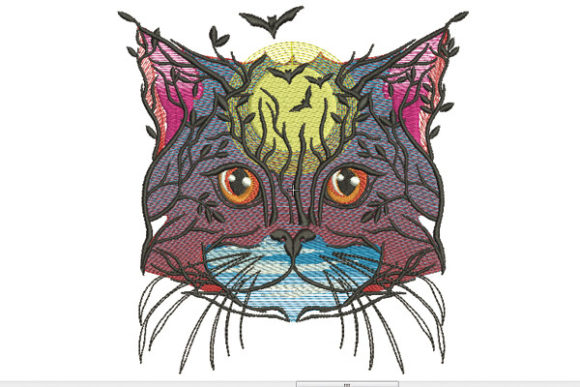
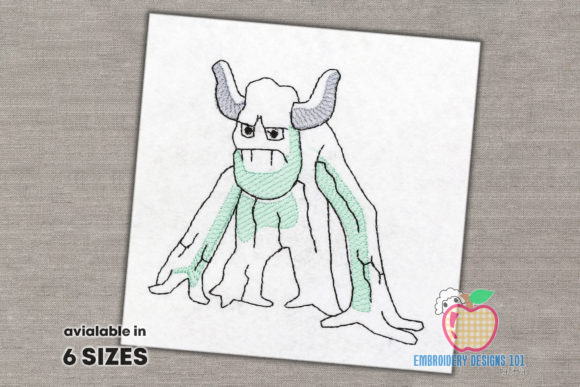
As an experienced embroidery designer who has spent years refining digital assets for commercial use, I approach every new machine embroidery design with a critical eye. We are not just looking at pretty pictures; we are evaluating production viability, brand consistency, and the potential for creating high-value small business merch. Today, I am reviewing the Creepy Tree Monster, a design described as creepy yet cute, intended to add interesting character to creations ranging from backpacks to caps. This review focuses on how this piece functions within a professional workflow for boutique owners, Etsy sellers, apparel decorators, and creative studios.
First Impressions: Personality and Brand Fit
The title Creepy Tree Monster immediately sets a specific tone. It suggests a blend of rustic charm and playful spookiness. In the world of branding, this duality is gold. For a small café, a handmade shop, or a creative studio, this design offers a distinct visual identity that stands out against generic corporate logos. The description highlights that it is "creepy and cute," which implies a design that is friendly enough for a children's line but edgy enough for a trendy streetwear brand.
When viewing the design conceptually, it feels handmade and premium rather than mass-produced. This aesthetic is crucial for brands that want to emphasize quality and craftsmanship. Whether you are a florist looking for a unique apron logo or a pet brand needing a memorable patch, the Creepy Tree Monster brings a narrative element to your products. It transforms a simple tote bag or hoodie into a conversation starter. However, because the category includes "Babies," one must consider if the "creepy" aspect aligns with the softness expected in baby products. If used for infant merchandise, the execution must be soft and rounded to ensure it remains adorable rather than alarming.
Real-World Business Applications
In my experience, the true test of an embroidery file is how it translates across various mediums. The Creepy Tree Monster appears versatile enough to serve multiple roles in a product line. Here is how I envision this design performing in real business scenarios:
- Embroidered Patches: This is likely the strongest application. A well-executed patch featuring the monster can be sewn onto denim jackets, beanies, or canvas bags. It serves as a badge of identity for staff or a collectible item for customers.
- Staff Uniforms and Aprons: For a bakery or a boutique, placing a smaller version of the monster on the chest pocket or lower hem of an apron adds a touch of personality without overwhelming the uniform. It signals a fun, approachable work environment.
- Cap Embroidery: The design could work beautifully on the front panel of a structured cap. Its compact nature (assuming the file is optimized) allows it to sit cleanly on the curved surface, making it perfect for promotional giveaways at craft fairs.
- Tote Bag Design: As a central focal point on a canvas tote, the monster becomes the hero of the bag. This is ideal for custom orders where customers want a unique carry-all that reflects their personal style.
- Product Packaging Accents: Small details matter. Using this design on hang tags, shoe boxes, or gift wrap seals creates a cohesive unboxing experience that elevates the perceived value of the handmade product.
For Etsy sellers and digital buyers, having a design like Creepy Tree Monster allows for rapid prototyping. You can create a printable mockup to show clients exactly how the final result will look before committing to expensive production runs.
Critical Considerations and Usage Warnings
While the potential is high, a professional designer knows that not every design fits every surface. There are specific areas where the Creepy Tree Monster requires careful handling to maintain a professional finish.
Small Patch Sizes and Cap Fronts: If you intend to shrink this design down for a tiny lapel pin or a very small patch, be cautious. Detailed outlines and complex textures often break up when reduced below a certain stitch count. Always inspect the spacing closely. If the lines become too thin, they may merge during stitching, losing the definition that makes the monster "creepy" and distinct.
Curved Surfaces and Stitch Density: Embroidering on a cap front involves significant curvature. Designs with high stitch density can cause fabric puckering on these surfaces. If the design is dense, it might pull the fabric unevenly, resulting in a distorted image. Test this on a similar curved garment before running a full batch.
Fabric Texture and Color Contrast: The success of the thread colors depends entirely on the base fabric. On dark uniforms, light threads may not pop unless underlay is used correctly. Conversely, on textured fabrics like heavy wool or rough linen, fine details might get lost. Ensure you have a clear understanding of the thread colors available and how they interact with your specific material choices.
Wash Durability: Items that require frequent washing, such as kitchen aprons or kids' hoodies, need robust construction. Check if the design has excessive loose stitches that could snag or unravel over time. High-density designs generally hold up better, but they must be balanced with proper stabilizer usage.
Impact on Brand Identity and Customer Trust
A well-executed design does more than decorate; it builds trust. When a customer sees a crisp, clean embroidered patch of the Creepy Tree Monster on a product, it signals attention to detail. It tells them that the brand cares about quality. Inconsistent stitching or poor registration can damage brand identity instantly, making a premium product feel cheap.
This design offers a unique opportunity to create visual consistency across different assets. By using the same monster motif on hats, shirts, and packaging, you reinforce recognition. Customers begin to associate that specific character with your brand values—perhaps creativity, playfulness, or a love for the outdoors. This emotional connection drives buyer engagement and encourages repeat purchases.
Practical Designer Notes for Production
Before you upload the digital embroidery file to your machine for a commercial project, follow these essential steps to ensure success:
- Test in Black and White: Convert the design to grayscale first. This helps you visualize the stitch density and shading without the distraction of color. If the contrast looks muddy here, it will look muddy in color.
- Check Small Scale Viability: Resize the design to its smallest intended output (e.g., a 2-inch patch). Does the monster still look like a monster, or does it become a blob? Adjust the digitizing or choose a different placement if necessary.
- Review Thread Color Contrast: Ensure the chosen threads provide enough contrast against your fabric. Low contrast can make the design invisible or hard to read.
- Inspect Spacing and Hoop Size: Confirm that the hoop size accommodates the design without cutting off edges. Also, check the spacing between elements to prevent thread breaks.
- Test on Real Fabric: Do not rely solely on digital previews. Stitch the design on the actual fabric you plan to use. Different materials react differently to tension and needle movement.
- Use Proper Stabilizer: Select a stabilizer that matches the weight and stretch of your fabric. A lightweight tee needs different support than a heavy canvas tote.
- Create a Mockup: Before mass production, create a printable mockup for client approval. This manages expectations and prevents costly errors.
- Compare Design Assets: Place the Creepy Tree Monster beside other design assets in your collection. Does it fit the overall aesthetic, or does it clash?
- Confirm Commercial Licensing: Most importantly, verify the licensing terms. Ensure you have the right to use this design for commercial embroidery projects, including selling finished goods and patches.
By following these guidelines, you can transform the Creepy Tree Monster from a simple digital file into a powerful tool for your business. Whether you are decorating a cap for a local event or creating a full line of branded apparel, this design has the potential to add a unique, memorable character to your offerings. Just remember that the devil is in the details, and thorough testing is the key to a flawless finished product.